





How to Know If You Need a Dental Filling
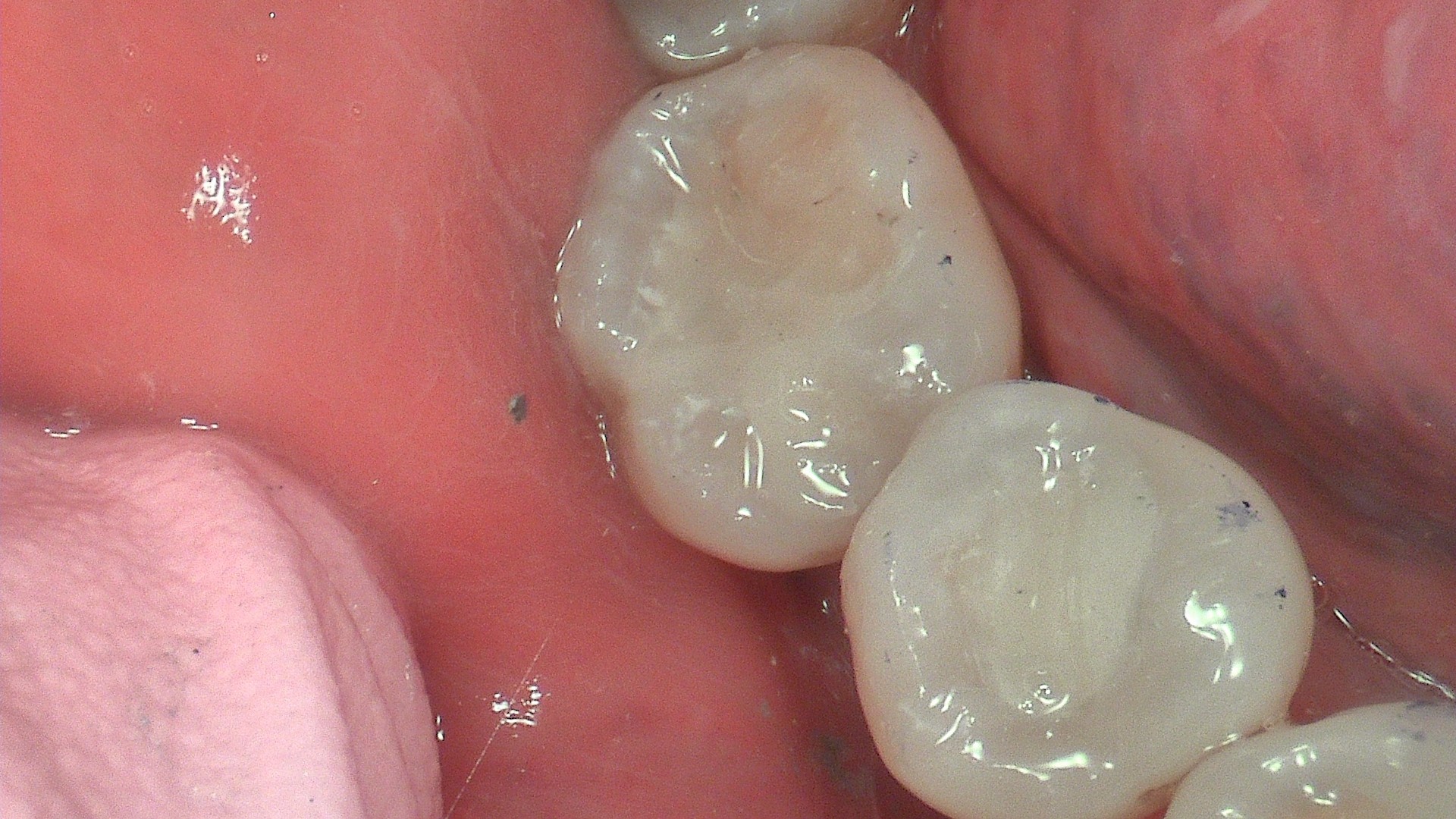 Cavities do not always announce themselves right away, which is part of what makes them tricky to catch on your own. A small area of decay can sit quietly for weeks or months before it starts to cause discomfort, and by the time you notice a problem, the cavity may have grown larger than expected. This is one of the main reasons cavities are often described as sneaky. They can develop in places you cannot easily see, especially between teeth or along the gumline.
Knowing the early warning signs can help you get a dental filling sooner, when treatment is simpler, less expensive and more comfortable. It also helps to understand what changes in your mouth are worth mentioning at your next visit, even if they seem minor. Cavities are also one of the most common dental issues people experience, so needing a filling at some point is nothing to feel embarrassed about. Below, we walk through the signs to watch for, what happens if a cavity goes untreated, and how a filling actually works.
Signs You May Need a Dental Filling
Cavities tend to give off a few common clues before they become a bigger issue. If you notice any of the following, it may be time to schedule an exam:
- Sensitivity to hot, cold, or sweet foods and drinks
- A dull ache or sharp pain when you bite down
- A visible dark spot, groove, or hole on the surface of a tooth
- A rough or jagged spot you can feel with your tongue or the edge of your floss
- Food that seems to get stuck in the same spot repeatedly
- Discomfort that comes and goes without an obvious cause
Some of these signs are easy to notice on your own, while others may only show up during a routine dental exam. A cavity that has just started to form may not cause any pain at all, which is exactly why regular checkups matter even when your teeth feel fine. Sensitivity toward the back of the mouth can also feel different than sensitivity near the front, so it is worth mentioning exactly where and when the discomfort shows up when you talk with us. During an exam, we can look closely at areas that are hard to see or feel on your own, including between teeth and along old fillings, to catch decay while it is still small.
What Happens If You Delay Treatment
It can be tempting to put off a filling, especially if the discomfort is mild or comes and goes, or even if you are not yet having any symptoms at all. However, cavities do not repair themselves, and decay tends to spread deeper into the tooth over time. Waiting to treat a cavity can lead to a few different outcomes:
- The decay reaches the inner layer of the tooth, causing more noticeable and persistent pain
- Treatment that could have been a simple filling may require a more involved procedure, such as a root canal or crown
- The tooth becomes more sensitive to temperature, pressure, and everyday chewing
- Bacteria from the cavity can spread to affect the health of surrounding teeth and gums
None of this means every delay leads to a worst case outcome, but the general pattern holds true. The longer decay is left untreated, the more of the tooth’s structure is typically affected, and the more involved the eventual treatment tends to be. A more involved procedure also usually means more time in the chair and more appointments to complete, compared to a single visit for a straightforward filling. Addressing a cavity while it is still small and contained is generally a more straightforward, more comfortable process than waiting until it progresses. If you are unsure whether what you are feeling is worth a visit, it is always reasonable to have it checked rather than wait it out.
Types of Fillings We Offer
Once a cavity is confirmed, the next step is choosing a filling material that fits the location of the tooth, the size of the cavity, and your personal preferences. We offer both composite and amalgam fillings:
- Composite fillings are tooth colored and bond closely to the natural tooth, making them a popular choice for teeth that show when you smile.
- Amalgam fillings are a durable, cost effective option that has long been used for back teeth that handle heavier chewing forces.
Both materials are safe and effective options for restoring a tooth after decay is removed, and the right choice often comes down to where the tooth sits in your mouth and how it is used day to day. Lifespan can vary between the two materials as well, and factors like the size of the filling and your daily habits play a role in how long either option lasts. We will talk through these options with you and help you choose the material that makes the most sense for your specific tooth. For a closer look at how composite and amalgam fillings compare, visit our dental fillings page.
A Quick Overview of the Procedure
Getting a filling is a routine, well established procedure that most patients complete in a single visit, and it is normal to feel a little nervous beforehand even though the process itself is straightforward. Here is a general idea of what to expect:
- The area around the tooth is numbed to keep you comfortable throughout the appointment
- Decay is carefully removed from the tooth
- The tooth is cleaned and prepared for the filling material
- The filling is placed, shaped, and polished to match your natural bite
Most patients are able to return to their normal routine the same day, with only mild sensitivity as the area settles over the following day or two. It is common to feel a bit of numbness for a few hours after your appointment, so it is worth waiting until that fades before eating anything that requires a lot of chewing. There is generally no special preparation needed beforehand, and most patients do not need to plan around anything other than the appointment itself. Every mouth is different, so the exact experience can vary a bit from patient to patient, and we are always happy to answer questions about what to expect after your specific procedure.
Dental Filling Prevention
While not every cavity can be avoided, a consistent oral care routine can lower your risk of needing a filling in the first place. A few habits that help protect your teeth include:
- Brushing twice a day with fluoride toothpaste to strengthen enamel and remove plaque
- Flossing daily to clear away food and bacteria between teeth, where cavities often start
- Limiting frequent snacking on sugary or starchy foods that feed decay causing bacteria
- Drinking water throughout the day to help rinse the mouth between meals
- Keeping up with regular dental checkups and cleanings so small issues are caught early
Consistent care at home, paired with routine visits, gives us the best chance of catching early signs of decay before a filling becomes necessary. Even small changes to your daily routine, like swapping a sugary afternoon snack for something water based or adding a second daily flossing habit, can make a meaningful difference over time. Prevention will not eliminate every cavity, since factors like genetics and tooth shape play a role too, but it does meaningfully lower the odds and often means smaller, simpler treatment if a filling is ever needed.
Schedule Your Exam Today
If you have noticed any signs of a cavity, or it has simply been a while since your last checkup, we would be happy to take a look. Dr. Lucero and Dr. La Rocca take the time to explain what we find and walk you through your options, so you always know what to expect and feel comfortable with the plan ahead. Whether you need a filling, a routine cleaning, or simply have questions about a tooth that feels different lately, we are here to help. Call Alexia R. Lucero, DDS at 408-738-0800 or visit us at 516 West Remington Drive, Suite 4C, Sunnyvale, CA 94087 to schedule your exam.
We look forward to meeting you and taking great care of your teeth.